
“Nervous system regulation” has become one of the biggest buzzwords in wellness lately. You see it everywhere, from gut health to trauma recovery to stress management.
People are trying breath work, cold plunges, journaling, meditation, and tapping, hoping to calm anxiety, improve digestion, and balance hormones.
But even though the phrase is everywhere, most people don’t really understand what nervous system regulation means or what the nervous system actually is.
Let’s change that.
What Your Nervous System Does
Your nervous system is your body’s control and communication network.
It sends signals that tell your organs, glands, and tissues how to function moment to moment, including how to digest, sleep, heal, and respond to stress.
When it senses safety, your body naturally shifts into rest, repair, and digestion.
When it senses stress/threat, it redirects energy toward survival.
That’s not a mindset issue it’s a biological response. You can eat the cleanest diet, take all the supplements, and still feel inflamed, anxious, or bloated if your body doesn’t feel safe enough to shift out of its protection mode.
Why “Regulation” Isn’t One Thing
The term nervous system regulation makes it sound like there’s a single switch you can flip but there isn’t.
Regulation is not about “always being calm.”
It’s about your body’s ability to move between activation and relaxation as needed, without getting stuck in one state. A “regulated” system is fluid.
When you’re balanced, your body can respond to stress and come back to baseline afterward.
When you’re dysregulated, you stay in survival mode long after the stressor is gone. In other words, you struggle to recover from a past threat/stressor.
This is why some people live in a constant state of alertness, tension, or exhaustion even when life looks “fine” on the outside. Their nervous system learned a pattern of staying on guard or numbing out or always moving.
Why One-Size-Fits-All Regulation Doesn’t Work
Here’s where most people get stuck: they try generic “nervous system” practices that don’t match how their body is actually wired.
Some need movement, others need stillness.
Some need grounding, others need gentle activation.
Some need warmth, others need boundaries.
When you use the wrong tool for your nervous system style, it can actually make you feel worse (more anxious, foggy, or even shut down).
That’s because there isn’t just one kind of dysregulation. There are many different nervous system survival styles and each one has a unique rhythm, story, and pathway back to balance.
Coming Next Week: The 7 Nervous System Styles
Next week, I’ll share the seven core nervous system survival styles I’ve identified in my work and how to start recognizing which one your body uses to stay safe.
Each one has its own signature, from the fiery fight response to the quiet collapse state and when you know your pattern, regulation becomes intuitive instead of confusing.
But first, you need to help your body feel safe enough to start listening.
Start With Sensory Safety
Before you dive into deeper nervous system work, start simple: help your body feel safe through the senses.
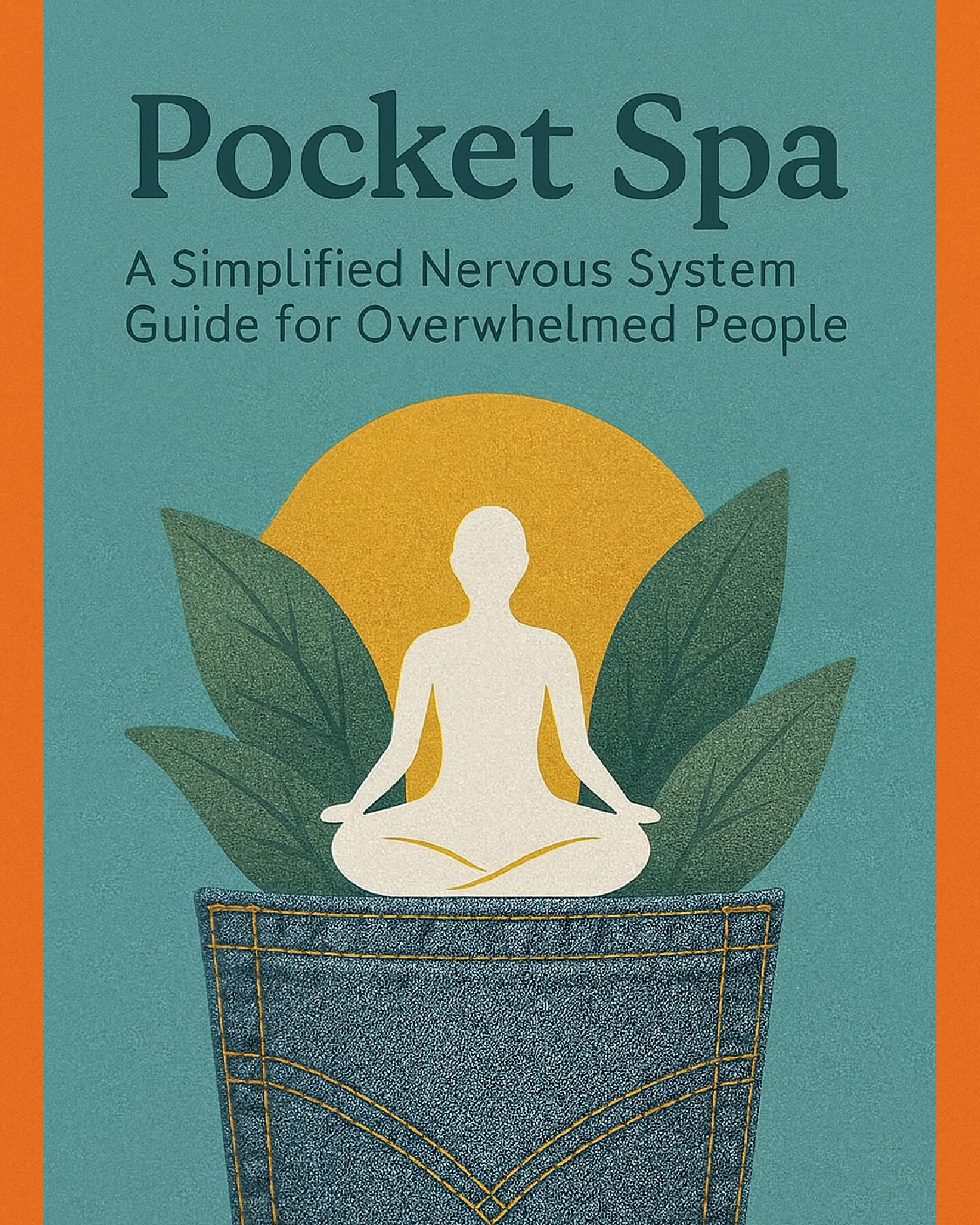
That’s why I created the Nervous System Spa Guide, a free resource that teaches you to use sound, touch, sight, scent, and gentle movement to:
✨ interrupt stress before it snowballs
✨ discharge built-up nervous system energy
✨ ground your body in safety throughout the day, simply and quickly
🕊️ Download your free Nervous System Spa Guide here.
The Real Healing Work
I created this guide because you can’t think your way out of a survival pattern. You have to feel your way back to safety. Start with using your senses.
Once your body trusts that it’s safe to slow down, everything changes: digestion, hormones, sleep, mood, and your sense of aliveness.
Because gut healing isn’t just about what you eat (though it’s important) it’s also about how safe your body feels to receive nourishment.
If you’ve been doing “everything right” but still don’t feel right, this is where your healing begins.