

Cortisol is the stress hormone associated with nervous system activation and stress. There’s a lot of talk about supporting cortisol these days.
I don’t like one-size-fits all recommendations because we all have different nervous systems, bodies and life situations.
My nervous system survival style quiz helps clarifies what your body needs. It is easy to choose the wrong support when everyone is raving about it.
We’re discussing three types of supplemental cortisol supports here, while acknowledging that supporting cortisol is hinges on lifestyle. Things like lowering inflammation, getting sleep, finding physical/mental safety by managing thoughts and emotions, balancing blood sugar and moving stuck tension . It seems like a lot but all of these things support each other.
However, when lifestyle shifts are overwhelming, you may need a quick win from supplement support.
Picking the right support
Not all cortisol support works the same way. Some train resilience, some apply the brakes, and some teach the nervous system how to adapt. Using the wrong one for your current state can leave you wired, flat, or more inflamed than before.
I am going to compare black currant extract, phosphatidylserine and adaptogens like ashwaghanda.
For example, black currant extract doesn’t prevent excessive cortisol spikes like phosphatidylserine or adaptogens sometimes do. Instead, it normalizes cortisol signaling and stress response, which can feel very different depending on your nervous system state.
I use a hair tissue mineral test and health history review to determine which cortisol support to use with clients.
But here’s a general guide of which tool to use and when:
Black Currant vs Adaptogens vs Phosphatidylserine
Understanding capacity, braking, and long-term regulation
Black Currant (Ribes nigrum)
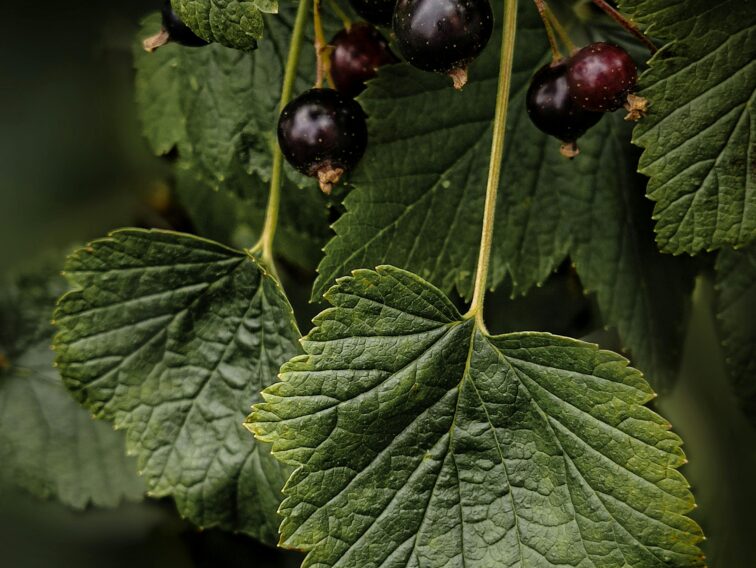
Black currant is a berry rich in polyphenols and anthocyanins. It is one of the less commonly discussed supports in stress physiology and works very differently from adaptogens or cortisol-lowering tools.
Rather than calming the nervous system or directly suppressing cortisol, black currant is best understood as supporting physical resilience and adrenal capacity, helping the body meet stress demands more efficiently.
Its primary support appears to be indirect, through:
- Improving blood flow and oxygen delivery
- Supporting inflammatory balance
- Enhancing physical recovery and endurance
Because of this, black currant tends to support stress tolerance and capacity-building, rather than nervous system calming.
It does not act as a sedative or brake, and in sensitive systems it can feel mildly stimulating.
Some people also notice improvements in histamine- or allergy-related patterns, likely due to effects on inflammatory signaling rather than direct mast cell stabilization.
What black currant supports best
- Physical resilience and recovery
- Stress tolerance under load
- Circulatory support and stamina
- Reducing overall stress burden by supporting the body’s ability to cope
How it may feel
- More stamina
- Clearer head
- Subtle stimulation in sensitive systems
Use black currant when:
✔ You’re depleted but in a rebuilding phase
✔ Stress is primarily physical (exercise, inflammation, recovery, performance)
✔ You’re working on resilience rather than crisis management
✔ You need capacity support, not nervous system calming
Be cautious if:
⚠️ You’re “tired but wired”
⚠️ You experience heat, palpitations, or sweating
⚠️ You’re a fast oxidizer or low calcium (HTMA test results show this)
⚠️ Nighttime stress or internal heat is already prominent
👉 Think of black currant as building capacity, not calming the system.
Phosphatidylserine (PS)
Best for: high or poorly regulated cortisol, racing mind, nighttime stress
Phosphatidylserine helps reduce an exaggerated stress response, particularly when cortisol signaling is excessive. It supports cortisol shut-off rather than output.
PS functions as a brake, not a tonic.
How it feels
- Quieter mind
- Less internal pressure
- Easier sleep onset
Use phosphatidylserine when:
✔ Cortisol feels intrusive or excessive
✔ You wake between 2–4 AM with racing thoughts or heart
✔ Stress is primarily mental/emotional
✔ You need braking, not building
Be cautious if:
⚠️ You’re already exhausted or flat
⚠️ Daytime energy is very low
👉 Phosphatidylserine is a cortisol brake pedal, not a tonic.
Adaptogens (Ashwagandha, Tulsi, Rhodiola)
Best for: long-term nervous system retraining and stress adaptation
Adaptogens work gradually by helping the body adapt to stress more appropriately over time, rather than forcing cortisol up or down in the moment.
They influence stress physiology across multiple systems (HPA-axis signaling, immune function, mood, sleep), with effects that vary by herb, dose, and individual.
Ashwagandha-specific notes
- Can lower perceived stress and cortisol in some people
- Can feel calming or activating depending on the individual
- Can increase internal heat in sensitive or inflamed systems
- May stress the thyroid in autoimmune thyroid cases
Use adaptogens when:
✔ You’re past acute stress or crisis
✔ You want long-term regulation, not immediate relief
✔ Your system is stable enough to retrain
✔ Stress is chronic, layered, or long-standing
Be cautious if:
⚠️ You’re inflamed or overheated
⚠️ You’re histamine sensitive
⚠️ You’re in adrenal over activation
⚠️ You react strongly to supplements
👉 Adaptogens are teachers, not emergency tools.
Sequencing & the right support
Many people stack these supplements randomly and wonder why they don’t work or make them feel worse.
It is important to work with minerals and food to stabilize the system so these interventions can work better.
Balancing blood sugar and supporting electrolytes and trace mineral balance is key here. Supplements will then provide the extra support so you feel better and can make more lifestyle changes.
If cortisol support feels stimulating, flattening, or chaotic, it’s probably the wrong supplement for you. Here’s a summary:
| Tool | Primary role | Best for |
| Black currant | Builds resilience | Recovery & rebuilding |
| Phosphatidylserine | Lowers excess cortisol | Acute high stress / sleep |
| Adaptogens | Retrains stress response | Stable, long-term healing |
If you want a personalized plan based on your body’s feedback and nervous system state, I offer mineral tests and health reviews here.
Fun treat “support”
Here’s a PB & J-inspired cortisol balancing recipe using 1 ounces of black currant jelly that won’t spike blood sugar because it’s balanced with protein, fiber and fat.