

Most gut protocols focus on high-dose antimicrobial supplements designed to aggressively kill bacteria or yeast. While this can sometimes be necessary, many people with sensitive nervous systems, histamine intolerance, or chronic gut inflammation do not tolerate these protocols well. And for others they simply don’t work.
If you are an “all or nothing type” (most of my clients are) you may want to try a gentler approach that still brings you slow progress that you can tolerate.
Consider “microdosing” antimicrobials.
Microdosing means using small but consistent amounts. In this can we are talking about antimicrobial foods or herbs to gently shift the microbial environment instead of trying to wipe everything out at once.
The goal is to reduce pathogen pressure while minimizing inflammation, die-off reactions, and microbiome disruption.
Benefits of a Lower-Dose Approach
Aggressive antimicrobial protocols can sometimes cause die off symptoms like:
- severe bloating
- fatigue
- anxiety
- histamine flares
- diarrhea
- insomnia
- worsening nervous system dysregulation
Research also shows that excessive antimicrobial exposure can reduce microbial diversity and disrupt the gut ecosystem. (pmc.ncbi.nlm.nih.gov)
Slower and gentler can work better and the only block is impatience and distrust that less can be more. Let’s look at some examples….
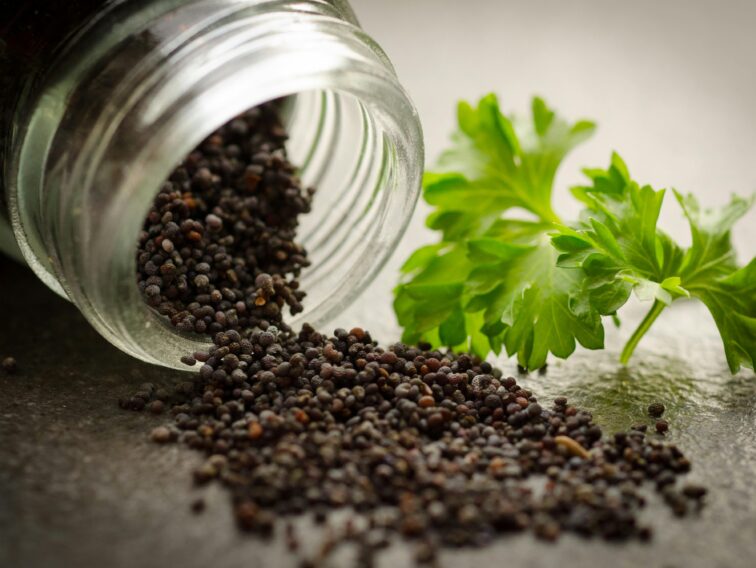
Black Seed Powder (Nigella sativa)
Blackseeds contain thymoquinone, a compound with antimicrobial, antifungal, antioxidant, and anti-inflammatory properties. (pmc.ncbi.nlm.nih.gov). Blackseed oil has been used for centuries as medicine but blackseed powder is ground blackseeds which contain a less concentrated amount of oil.
Benefits of Black Seed
Research suggests Nigella sativa may help:
- reduce H. pylori levels (pmc.ncbi.nlm.nih.gov)
- inhibit Candida species in laboratory studies
- reduce gastric inflammation
- support blood sugar balance
- lower oxidative stress
One clinical study found that Nigella sativa showed significant activity against H. pylori, likely due to both antimicrobial and anti-inflammatory effects. (pmc.ncbi.nlm.nih.gov)
Microdosing black seed powder may allow sensitive people to receive these benefits without triggering intense die-off symptoms. Taking it in powdered form lets you control the dose, starting with as little as 1/8 teaspoon and titrating up based on your tolerance.
Always take blackseed with food to protect your stomach lining.
And mix it with a bit of Manuka honey for extra antimicrobial effect if you are dealing with h. pylori.
Broccoli Sprout Powder
Broccoli sprouts are rich in sulforaphane, a compound studied for its antimicrobial and anti-inflammatory effects.
Benefits of Broccoli Sprouts
Sulforaphane has been shown to:
- inhibit H. pylori growth, including resistant strains (pnas.org)
- reduce stomach inflammation
- support detoxification pathways in the liver
- increase antioxidant activity
Unlike stronger antimicrobial herbs, broccoli sprouts may also support gut lining health and reduce oxidative stress at the same time.
Starting with small amounts may help people who are sensitive to sulfur-rich foods or detox reactions. You can grow or buy sprout or buy concentrated broccoli sprout powder and microdose it similar to blackseed oil powder.
Garlic (Allicin)
Garlic contains allicin, which has demonstrated antibacterial and antifungal properties. Using garlic powder in your food can start shifting your biome. If you react to garlic leave this out.
Research suggests garlic may help:
- reduce H. pylori activity
- inhibit Candida
- disrupt biofilms
- support cardiovascular health
However, high doses can irritate sensitive digestive systems, which is why some people tolerate low-dose use better.
Oregano, Cinnamon & Clove
Oregano oil has been used in eradicating SIBO and candida but it can be way too harsh for a sensitive system.
Instead use dried or fresh oregano on your food.
Clove also kills parasites and bacteria and can be added to chai spices (along with cinnamon) to use in tea and desserts/yogurt.
Cinnamon is a tasty way to battle h. pylori and other bacteria and may help reduce inflammation and balance blood sugar.
Green Tea Polyphenols
Green tea catechins have shown antimicrobial effects against H. pylori and may help reduce inflammation and oxidative stress.
They may also support beneficial bacteria rather than simply acting as broad-spectrum antimicrobials.
A green tea chai (decaffeinated works well here) can be a soothing drink that brings your biome closer to balance. I have a recipe for it in my cookbook bundle.
Why Microdosing May Work Better
Bigger is not always better and a mistake I see many people make, due to fear, impatience and doubt, is creating a microbial apocalypse in their gut.
The future of gut healing is moving away from “destroying bad bugs” and towards restoring microbial balance, resilience, and terrain. That means expanding your diet not limiting it and going very slow with antimicrobial foods.
Going slower may emotionally feel like you won’t make progress but you will, while also:
- reducing die-off reactions
- preserving more beneficial bacteria
- being easier on the nervous system
- improving long-term consistency
- creating less inflammation during healing
This approach may be especially helpful for people with:
- histamine intolerance
- chronic stress or burnout
- nervous system dysregulation
- highly reactive digestion
- poor tolerance to supplements
Final Thoughts
Gut healing is not just about killing microbes.
In many cases, healing also requires:
- lowering inflammation
- supporting the gut lining
- improving stress resilience
- restoring microbial balance
Gentle shifts over time work better than aggressive attacks.
As always, antimicrobial strategies should be individualized, especially for people with complex gut conditions or significant symptoms. You should consult a qualified healthcare practitioner before beginning any antimicrobial protocol. But you can gently and safely use food to shift your biome over time.
References
- Nigella sativa and H. pylori clinical research
- Sulforaphane and broccoli sprout antimicrobial studies
- Research on microbiome preservation and antimicrobial stewardship
- Clinical reviews on herbal antimicrobial compounds