
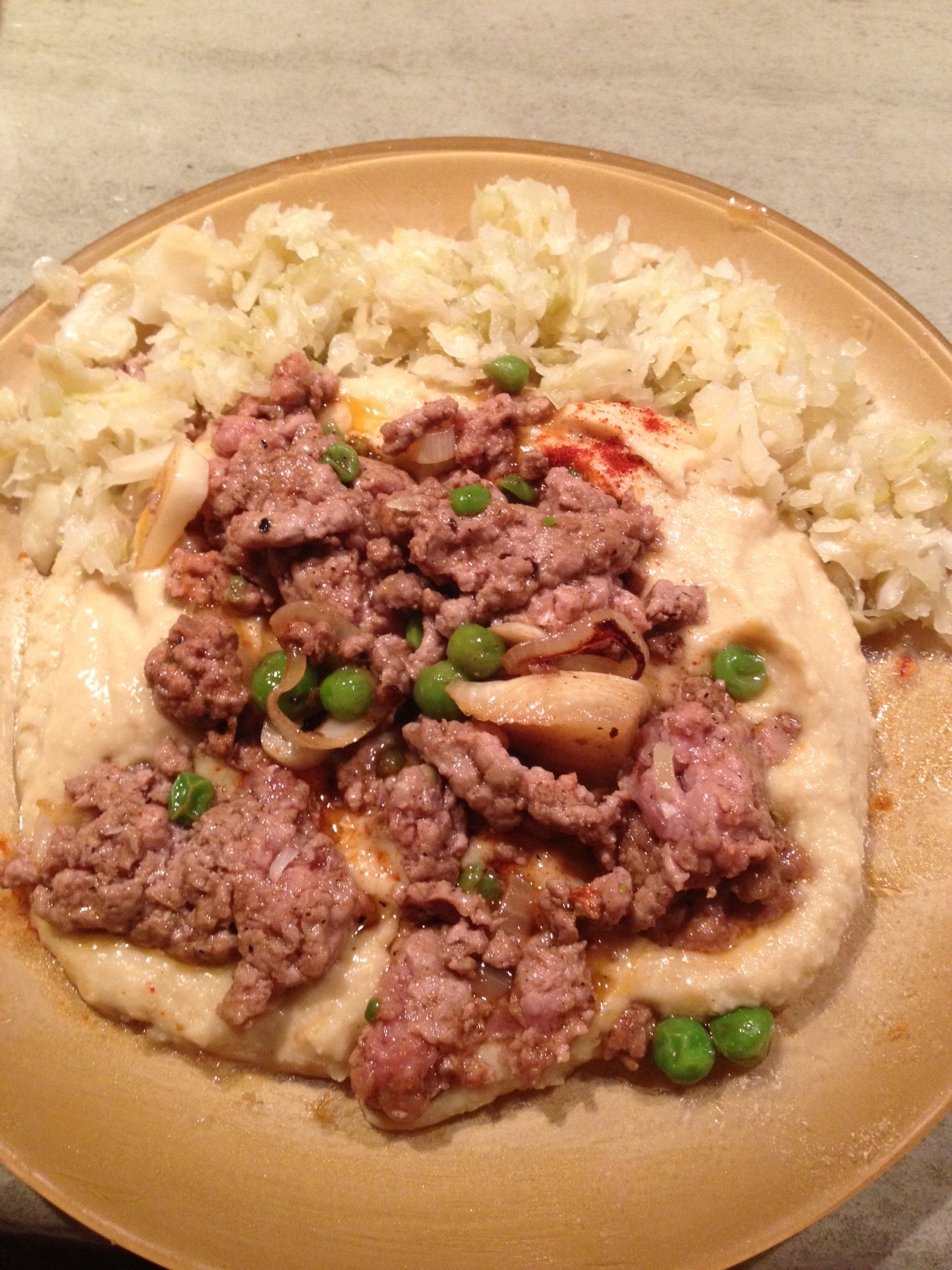

There was a time in my life when red meat was one of the most healing foods I could eat.
Twenty years ago, my body needed it. I was working on balancing my minerals to heal my adrenals and gut.
Red meat gave me something that was hard to get in quantity elsewhere. It is rich in zinc, iron and protein, it stabilized my blood sugar, and strengthened my adrenals. It grounded me when I felt anxious and weak. It was a big part of how I recovered.
But what heals you in one season can start working against you in another, if you don’t keep checking in with your body.
I recently ran a microbiome test, and the results surprised me. My gut is no longer thrives on the same amount of red meat. It feeds bacteria that don’t support the balance I need now.
Many people avoid red meat because they heard it’s inflammatory or raises cholesterol. But good quality, pasture raised, grass fed meat can be deeply anti inflammatory for the right body.
Red meat is not inherently good or bad. It depends on the microbiome of the person eating it.
Biome testing gives you improved outcomes because it personalizes your nutritional needs based on YOUR internal ecosystem.
No foods work the same for each person. Your microbiome determines what works for you.
You may get stuck doing what worked years ago, or following expert advice, not knowing what your microbiome needs in this moment.
We change and so does our microbiome. Minerals shift. Hormones change. Your nervous system adapts. Your gut bacteria evolve based on your history, lifestyle, environment, and aging.
This test was preventative medicine
Your microbiome is a powerful mirror that reflects where your current diet is taking you. What’s overgrowing, what’s missing, and what needs support.
In my case, the bacteria that thrive on a diet heavy in red meat were overgrowing. When those bacteria are overfed, they shift the environment towards inflammation, slow down detox pathways and affect how you feel day to day.
If I’d kept eating the way that matched who I was twenty years ago, or followed advice that did not work for me, symptoms would have caught up with me. Not gut issues but heart and metabolic issues.
I already experienced the early signs, feeling heavier, like things were not moving the way they used to. But I was confused as to why.
I lowered my red meat intake not from fear, but to give my body what it needs now. I knew exactly what it needed because my test told me.
Our relationship to food
We all have an emotional relationship with food. But our physical relationship to it is determined by what is happening inside the microbiome.
If you can update your approach without making yourself wrong for what you did before, you stay in tune with the current needs of your body.
When you shift from outside guidance to guidance from your own biology, it saves a lot of guessing, stress, and frustration.
Instead of asking, “What’s do people say is the most healing diet ?” Ask, “What does MY body need now?”
This is the path of expanding your diet not restricting it, something that many of us can use. And our biome will thank us. And we will feel it.
Food sensitivity testing is an example of a food restriction model and it has questionable accuracy, marking foods that are often eaten as sensitive. This shrinks the diet more, increases for food fear and stress. None of this is good for the microbiome.
How to approach diet change
Your gut is constantly responding to what you feed it. Over time, it shapes what you tolerate, what you crave, and how you feel.
The key is to go slowly. The speed and amount of dietary change matter more than most people realize. This is often the hardest part, especially if you tend toward an all or nothing approach, do it fast approach.
Too much change too quickly can shock the microbiome, creating discomfort, which then leads to fear and hesitation.
Here are the steps: first we understand the microbiome, then we slow shift it.
Supporting digestion is a very important part of this process. We are not what we eat, we are what we digest. There are many ways to approach this from working on our state while we eat to making foods easier to digest, to using stomach acid support.
This is where strategies like micro feeding can be incredibly supportive. I teach this inside my Brain Body Biome program, because most people don’t struggle from lack of effort, they struggle from following the wrong advice and doing too much, too fast, without personalizing their approach. It’s obvious not just about food, but healing always starts here.
If you are curious about microbiome testing reach out to me at angelaprivin@yahoo.com